Published on: 28.10.2019
Information produced by Finnish Environment Institute
Wastewater treatment systems for sparsely populated areas
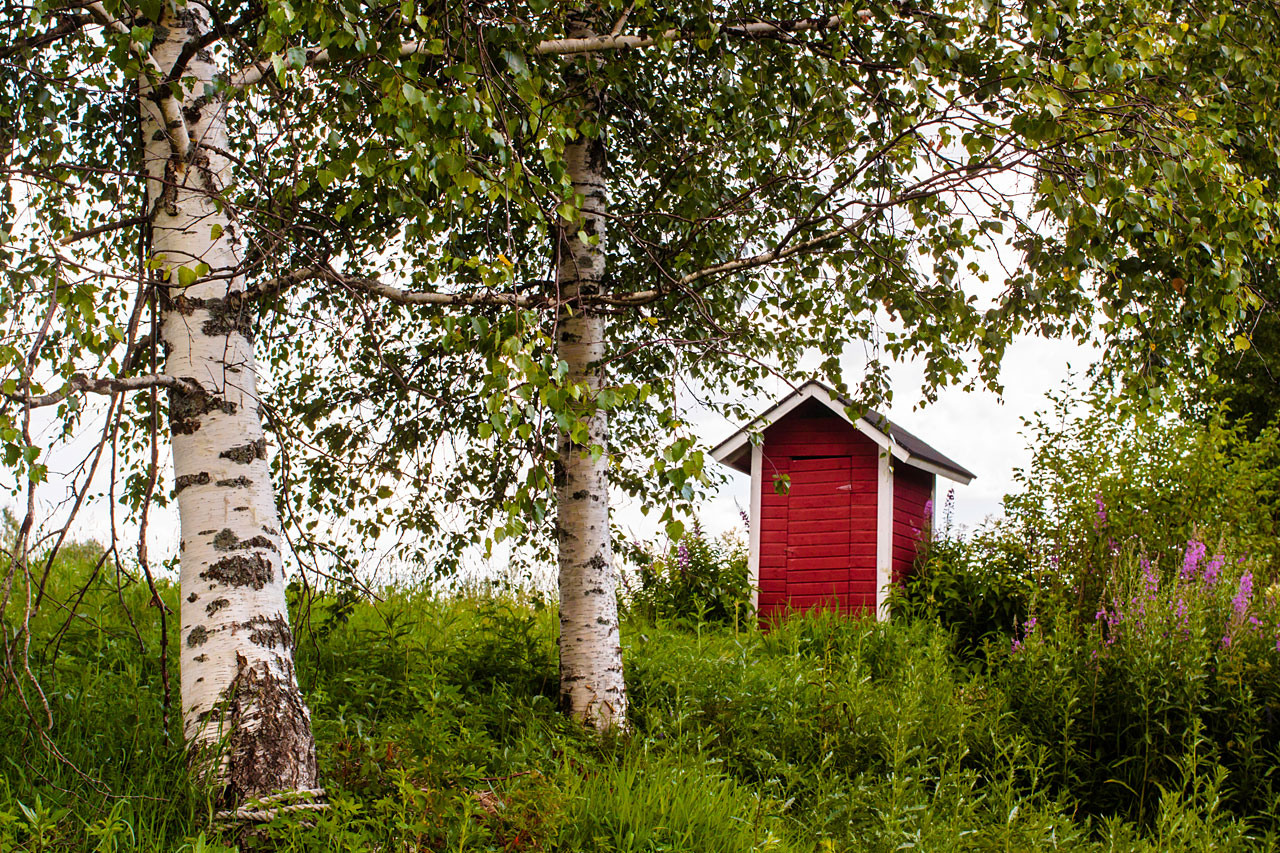
If you live in a rural area, you can select the treatment technique best suited for the needs of your property, as long as it cleans wastewater to the degree required by law.
There are two ways to meet the legal requirements. One is preventing harmful contaminants, which are contained especially in toilet sewage, from entering wastewaters. If the property has a composting toilet or toilet sewage is conveyed separately into a cesspit, lighter treatment is sufficient for other types of wastewater, including ‘grey water’ used for washing.
Better treatment performance is needed if the wastewater includes toilet sewage. The shares of organic matter, phosphorus and nitrogen that must be removed from wastewater are laid down in the Environmental Protection Act.
Wastewater can be treated using a soil filtration system, in which the wastewater is percolated into a filtering material. The filtering can be complemented with phosphorus removal if necessary. The other option is a domestic water treatment plant, which breaks down organic matter by means of a biological process. This type of a small-scale wastewater treatment plant does not have open basins or other similar structures. For phosphorus removal, either a dedicated phosphorus filter or precipitation is used.
In order for the wastewater treatment system to work properly, it must be used correctly and serviced regularly. A cesspit must be emptied, and its condition must be checked from time to time. Relying on expert help is a good idea when designing and maintaining your wastewater system.
Image: iStockphoto