Published on: 19.5.2021
Monitoring snow loads on large buildings
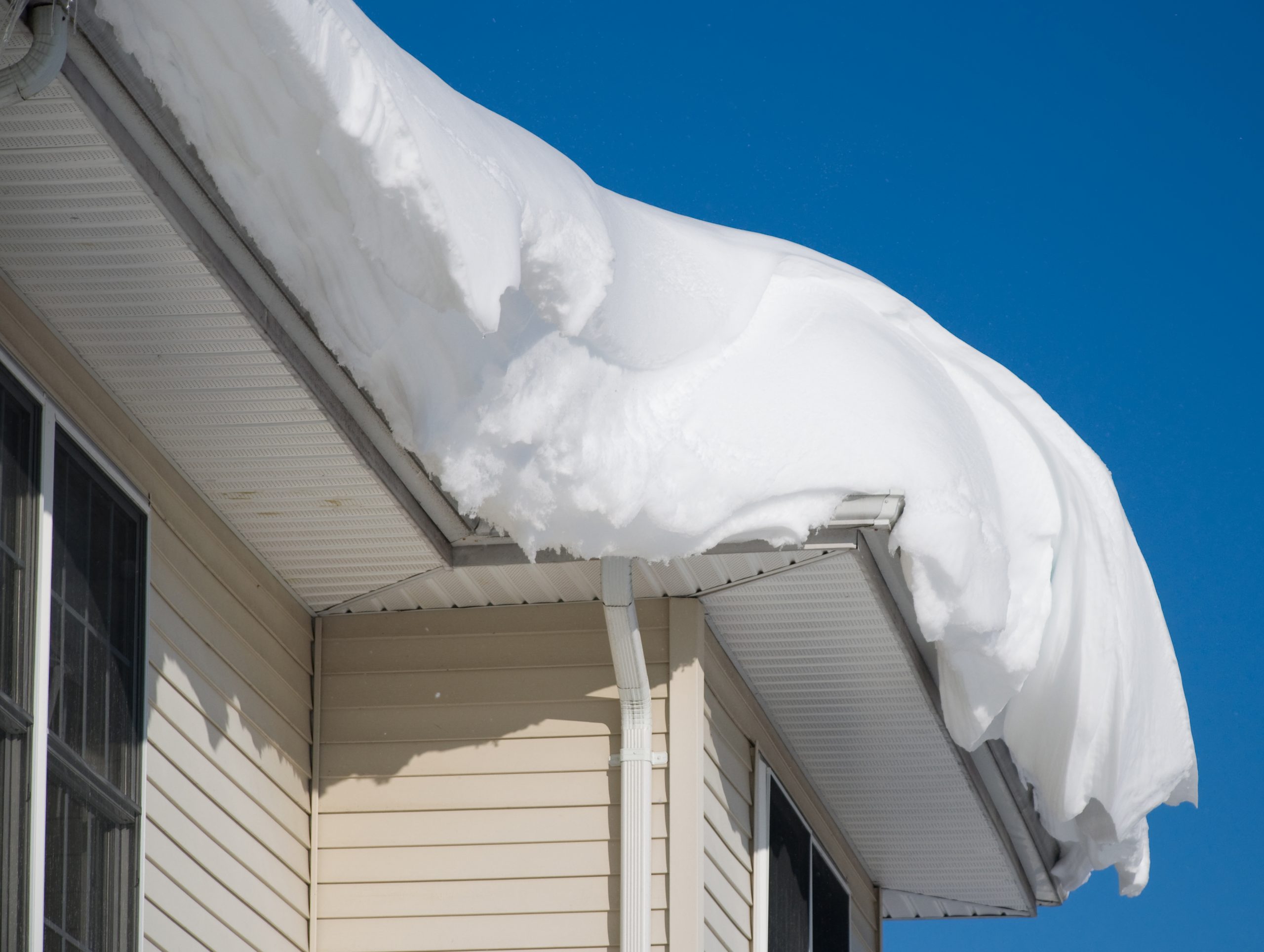
Owners of large industrial and commercial halls should ensure that the weight of snow does not exceed their roofs’ load bearing capacity. Snow load must be monitored actively, ensuring that snow is removed from the roof as necessary.
If the building is large, the snow layer should be removed as soon as it reaches 50 centimetres. The snow should also be cleared when particularly high amounts have accumulated on some part of the roof, ideally by a professional contractor.
Any structural defects in the roofs of large buildings usually come to light when snow load in an area reaches around one hundred kilograms per square metre. Buildings which have an extensive frame and roof structures with a long span carry the highest risk, including many sports halls, large commercial buildings, riding halls, agricultural buildings and air-supported structures, whose snow loads must be monitored continuously. Structural defects often cause a hall roof to collapse in early winter when snow load exceeds one hundred kilograms per square metre. Another risky time is after a heavy rainfall which rapidly increases the weight of snow.
The roofs of private houses, terraced houses and low-rise residential buildings are not at risk of collapse under snow load. In these buildings, the greatest hazards are associated with a person falling off the roof when attempting to clear the snow as well as risks caused to other people by snow sliding down from the roof.
Property owners must keep an eye on the snow on their roofs and have it removed as necessary. This should always be left to professionals who maintain high standards of occupational safety and ensure the safety of passers-by.
Image: iStockphoto