Published on: 20.12.2019
Information produced by Finnish Environment Institute
Can lakes be restored?
What should be done about a lake affected by severe eutrophication – where algae blooms and oxygen depletion are annual events or the entire lake is about to become overgrown with plants?
A lake suffering from eutrophication can be restored. Rather than happening overnight, however, it takes sustained work.
As eutrophication is driven by nutrient pollution in the lake, the first step is bringing the emissions under control. This includes both nutrients entering the water in the catchment and so-called internal loading, which means that the nutrients accumulated in the sediment at the lake bottom over time are released in the water in anoxic conditions.
The usual pollution sources in the catchment are the fields and forests around the lake, and once you know what they are, they can be tackled. A large buffer zone or wetland can be created between the lake and fields and forests. Versatile silviculture methods can also be opted for in forest management, and ditch maintenance can be avoided.
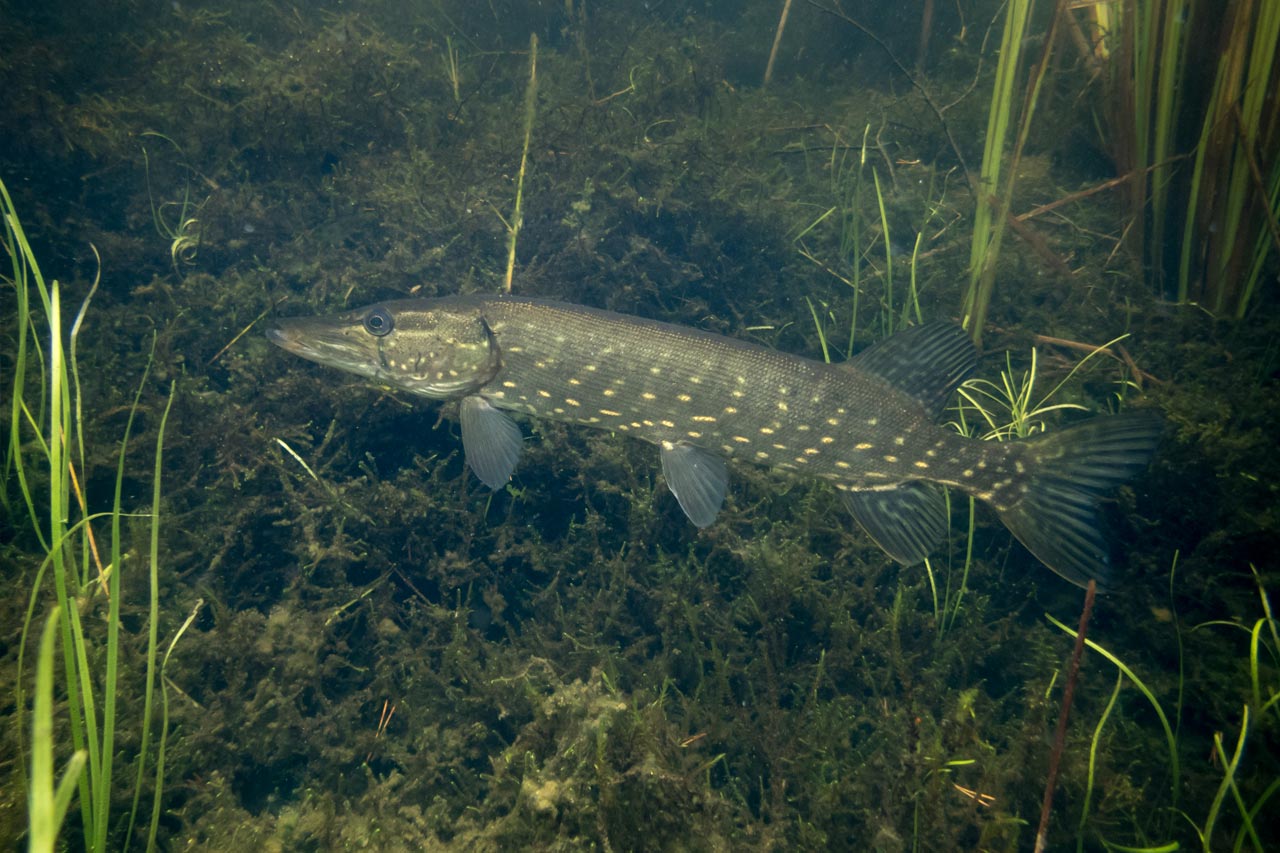
Artificial oxygenation can be used in an effort to prevent internal loading. The number of cyprinids can also be reduced and the lake stocked with predatory fish to restore a healthy food web, which is known as biomanipulation.
Chemicals can additionally be used to precipitate phosphorus out of the water. This is a heavy-handed restoration measure, however, which may lead to fish kills and other adverse impacts and for which an environmental permit is always required.
Image: © Mikko Suonio, Vastavalo