Published on: 6.6.2022
Information produced by Finnish Environment Institute
Aquatic plants are sensitive to change
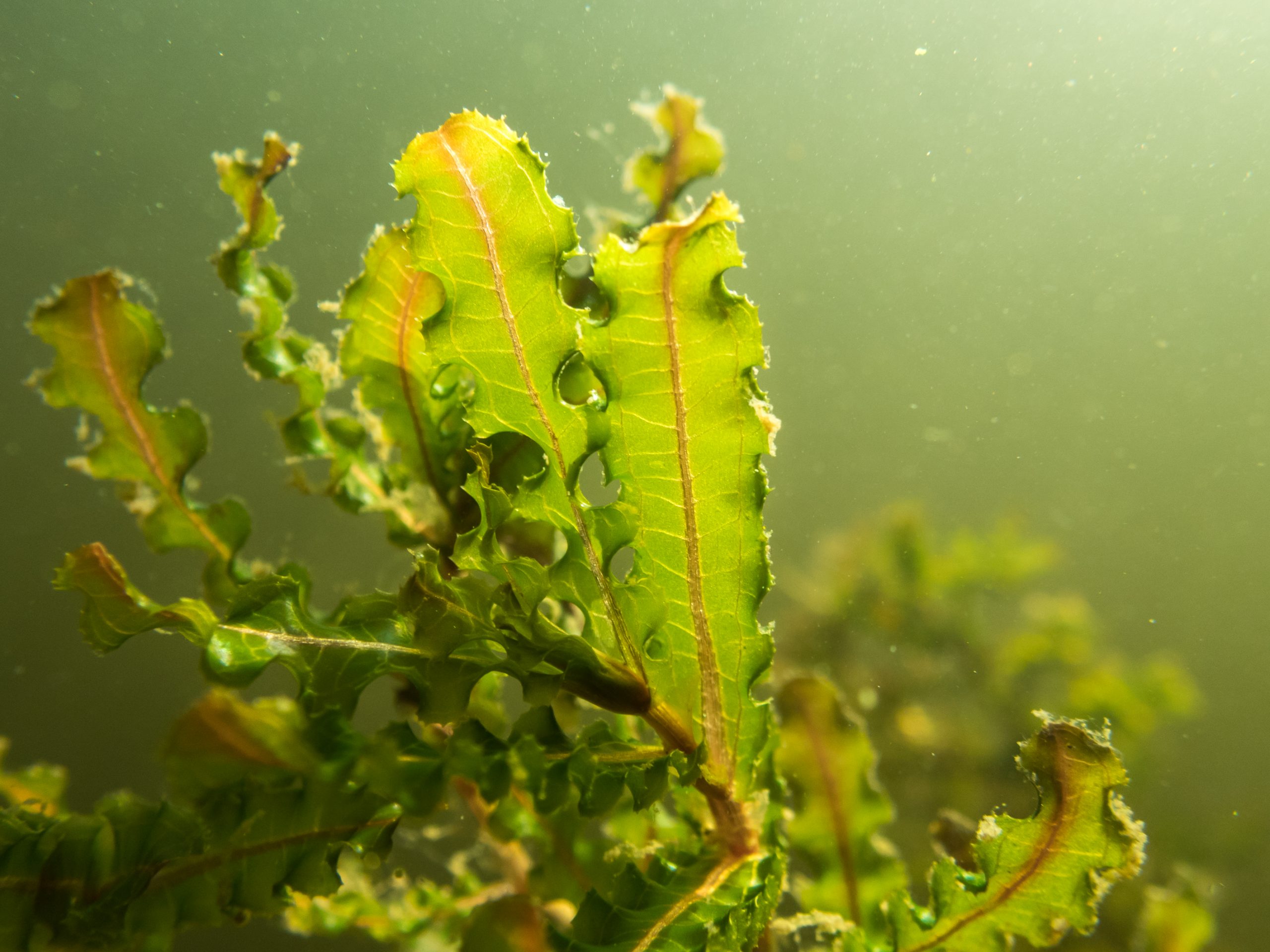
Aquatic plants have many tasks. They keep the water clean, bind sediments and sequester carbon dioxide, and create a sheltered habitat for other species. But how are they doing themselves?
Life in water poses challenges to plants. How to get enough light? How to cope with waves and currents? Is there enough carbon dioxide in the water for photosynthesis? On the other hand, the aquatic environment also has its advantages – which are not limited to secure access to water. Water supports the plant’s stem and can help the plant spread efficiently.
Plant species have developed different ways of coping with the challenges of life in water and making the most of its potential. Some allow their leaves to float on the surface to ensure access to light. Others avoid waves by remaining submerged. Yet others grow a long, sturdy stem that rises above the surface.
The environment around the plant determines if the selected strategy works or not. A growth habit that is an asset in a shallow bay affected by eutrophication will not necessarily work in an oligotrophic lake with clear waters. In fact, you can get a good idea of a water body’s characteristics by looking at the plants growing in it. Vegetation has also been used to define lake types in the same way as plants growing in a forest are used to typify forests.
If the lake is later affected by eutrophication, aquatic vegetation will soon reflect this change. Floating-leaved plants, such as water lilies, become more common while submerged plants decline. Reed beds expand, and the variety of aquatic plants species is reduced. This has already happened in many water bodies in Finland, resulting in a few species being classified as threatened.
Our waters are additionally plagued by certain invasive alien species, the most troublesome of which is the Canadian pond weed.
Image: © Mikko Suonio, Vastavalo