Published on: 13.4.2021
Information produced by Finnish Environment Institute
Fisheries management and restoration
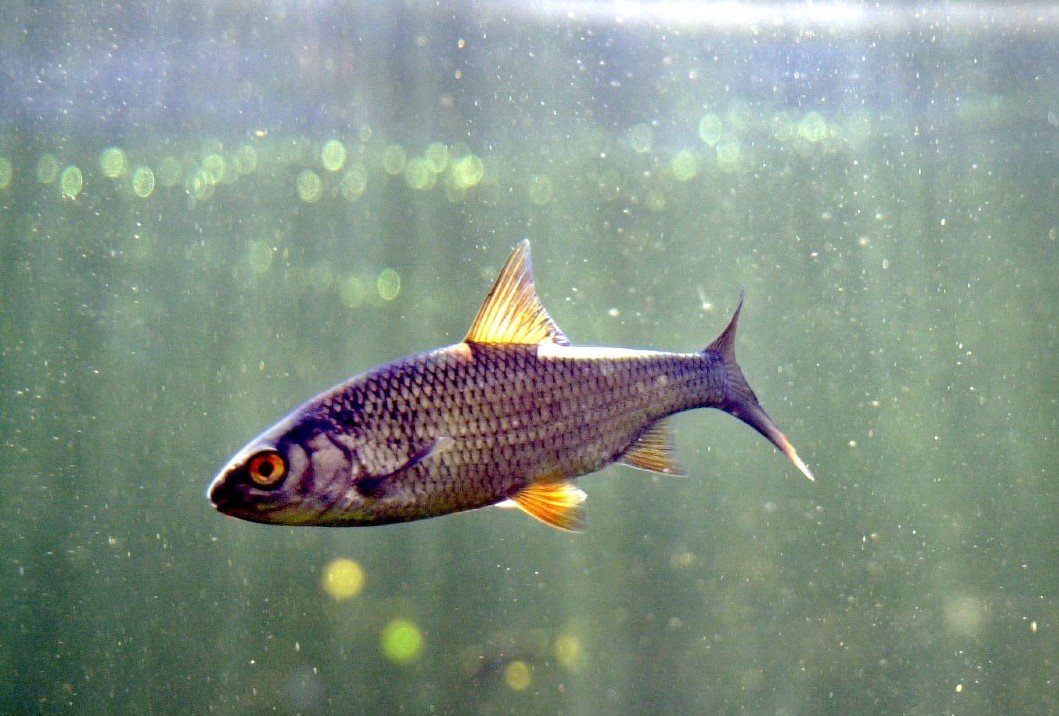
Managing and restoring fisheries pays off. When waters and their fish stocks are in good condition, plenty of high-quality fish can be caught.
The cornerstone of fisheries management and restoration is the ability of a lake or river to produce fish, which can be undermined by many factors. For example, a lake may be affected by eutrophication, a river may have barriers to fish migration, or sites needed by juveniles may have been lost. Any management and restoration measures must be based on knowing which problems affect the fishery or put it at risk, and how they can be rectified or prevented.
An important role in fisheries management is played by sustainable fishing, which means that the catch does not exceed fish reproduction and that different species are caught evenly. If excessive numbers of predatory fish are caught, for instance, this may change the structure of the fish fauna. Cyprinid fish may become even more predominant in a nutrient-rich lake, further exacerbating eutrophication as they stir up the bottom and release nutrients stored in the sediment.
If the structure of the fish fauna has already changed, it can be rebalanced by means of selective fishing, which means intensive catching of cyprinids and other excessively dense fish populations. If necessary, selected fish populations can be supported by stocking the waters with juveniles.
Fisheries management and restoration always require broad-based cooperation with the owners of the water area and authorities. The first step should consequently be contacting both the joint property management association of the water area in question and the restoration expert at the regional Centre for Economic Development, Transport and the Environment (ELY Centre).
Image: Finnish Environment Institute’s image bank